What do your clothes mean to you? Are they an outward expression of you; something you love and cherish and take care of? Or, are they bit part players in your life; here today but not for much longer?
Regardless of the answers, there’s no doubt that the clothes we wear are a problem to the planet. The United Nations identifies the global fashion industry as the second most polluting industry after the oil and gas sector, responsible for 1.2 billion tonnes of greenhouse gas emissions every year. At home, our consumption of clothing means every year every UK household produces the equivalent emissions of driving a car for 6,000 miles; and when it comes to ‘fast’ fashion, garments worn less than five times produce 400% more carbon emissions than clothes worn 50 times*.
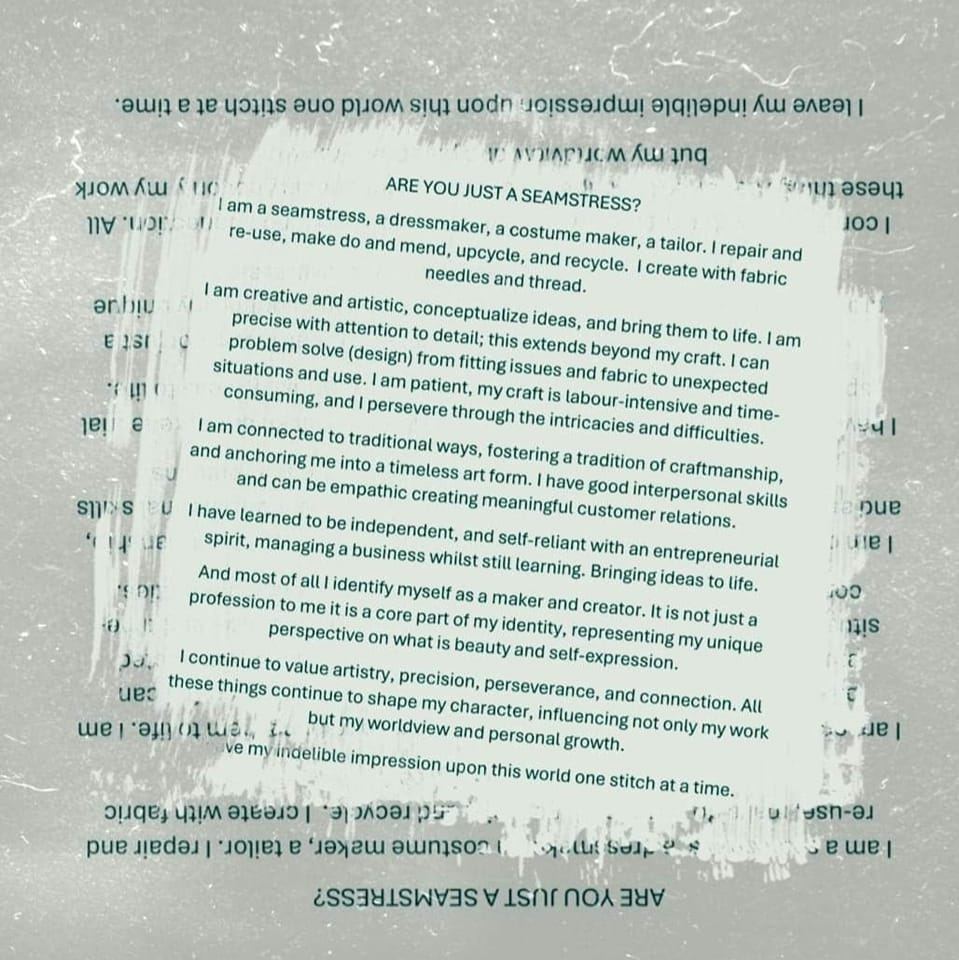
Poole-based tailor Gill Marais has had enough. Fed up with seeing the damage caused by something she has loved since the age of 12 she’s determined to take action and campaigns for better education and awareness about sustainable fashion.
“There’s just too much, it’s as simple as that,” she tells me. “We already have enough clothes to dress the next six generations of people and still there’s an idea that we need to have a new outfit for every event. It has to stop.”
It’s four years since Gill started her business Tailoresque in the Longfleet Road premises that had been occupied by renowned master tailors H Baldwin & Son since 1926. Started by Harry Baldwin, his son Stanley passed away in 2022 aged 95, three years after his son John, the last trained tailor in the family. John’s brother Norman is now Gill’s landlord. Alongside alterations and repairs she offers bespoke design and making services across a range of clothing, including bridalwear, special occasion dresses and gents tailoring.
Born in Bournemouth, she grew up in Sturminster Marshall and clothing has been her passion ever since she took a school assignment to the next level by making full garments instead of sample pieces in Needlework classes at Lockyer’s Middle School in Corfe Mullen. She took the subject at O-level and A-level (the only student in school to do so) then studied Fashion Design at Bournemouth and Poole College of Art and Design before “life happened” and she immersed herself in raising a family away from her home county.
“I was very comfortable making my own clothes. At youth club discos I used to love knowing that whatever I wore I knew nobody else would have one the same. This was a time when it was all about individuality and looking the part – you could tell so much about people just from the clothes they wore. Today, people seem happy to all look the same because the clothes put out by fast fashion retailers are cheap copies of high street versions of the styles made by high end makers months before.
“That constant churn at ever increasing speeds is a major factor in the climate emergency because the clothes discarded in wealthy global north are not recycled, they’re exported and end up in landfill in Africa and South America. Just a small example, there is no commercially viable process for separating cotton, a natural product, and polyester, which is man-made, so anything that is poly cotton is going to end up in landfill where it will take decades to biodegrade.”
As a mature student Gill earned a BA degree in Costume Construction at the Royal Opera House and, following a change in circumstances that brought her back to her native Dorset, is now studying a Masters in sustainable fashion, while running Tailoresque.
“I’ve got a lifetime of experience and knowledge and skill and I’m still learning today. That’s what I love about working with young people, they keep me on my toes and together we solve problems – that’s what makers and designers are really, we’re problem solvers.”
Gill’s team includes Costume graduate Ellie Stembridge, who specialises in Plastazote foam model making, a skill that comes in particularly handy when making clothes for a young client called Arthur.
“He’s great, we love making things for Arthur,” says Gill. “He loves dressing up. His mum takes him to Disney and he gets involved in the parades, hence the costumes, the more outlandish the better. Our challenge is to make his costumes without buying anything, so we use scraps, offcuts and lots of imagination. The Plastazote might form the headgear, for instance, then we cover it in fabric and create the costume. Plus, we try to make them with enough seam to let them out as Arthur grows so he can enjoy wearing them for longer.
“That’s what Costume Construction is about – making something that takes account of how it will be used and for how long. So we have to think about movement and giving it room to grow, just as we would if we were making costumes for the stage.”
Alongside Ellie are AUB graduates Lucy King (Costume), who does a lot of the bridal work, and Paulo Fernandes (Fashion), who focusses on alterations, zips and fastenings.
“What was fascinating was how the Fashion grad Paolo came out of education like a rocket and the Costume grad Lucy was much more reflective. Fashion is all go, whereas the makers are more considered, better at planning and take their time. Paolo has learned the old adage of ‘measure twice cut once’ the hard way. We all work together and learn together, whether that’s in drafting a pattern from scratch, or solving a problem of how to rework a client’s favourite garment so that it fits.
“That’s the key to all this – buy less but buy wisely. If people understand their clothes better and form an emotional connection they will be less inclined to keep buying new. We’ve had people turn up with three pairs of £12 trousers from a fast fashion retailer to be altered to fit for a wedding and been horrified that we’d charge several times what they paid for the trousers, but that’s what it costs.
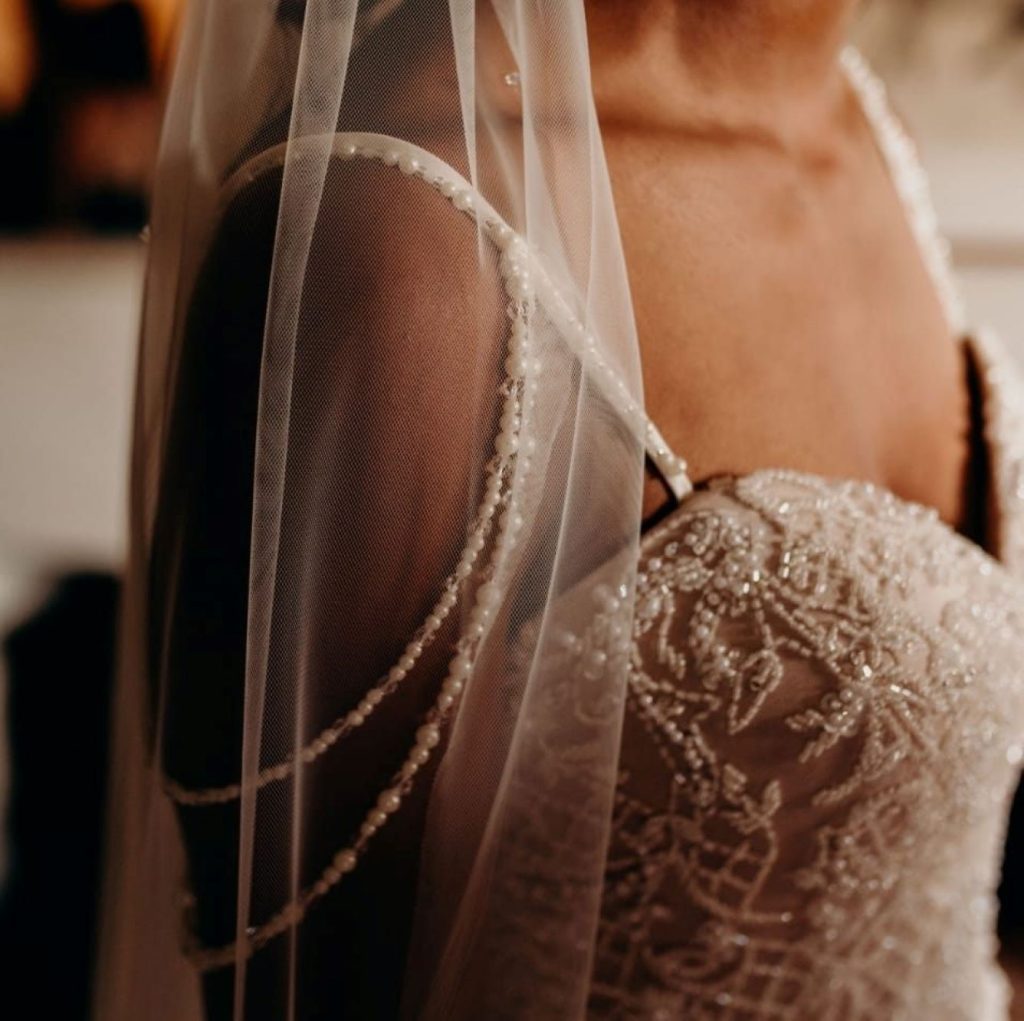
“Equally, one client asked us to remake her mum’s wedding dress so she could wear it for her own wedding and to see the two of them in the room together for the fitting was really special. It’s a privilege to become part of the story of that dress.”
The latest AUB Costume graduate to join Gill is Klaudia Glebocka, who got her degree last year. She loves knitwear and has been sharing her skills with her colleagues repairing jumpers.
“We had a client who brought in a beautiful Christian Dior sweater that he’d had since the 80s but the moths had got to it and left a hole. Claudio painstakingly researched the exact shade and ply and carefully knitted a beautiful repair. He was so happy when he came to collect the jumper – he’d found one online that would have cost £1200, so for the price of the repair he went home with a very desirable high-end jumper.”
When it comes to repairing clothes more visibly, Gill says mending can become a badge of honour.
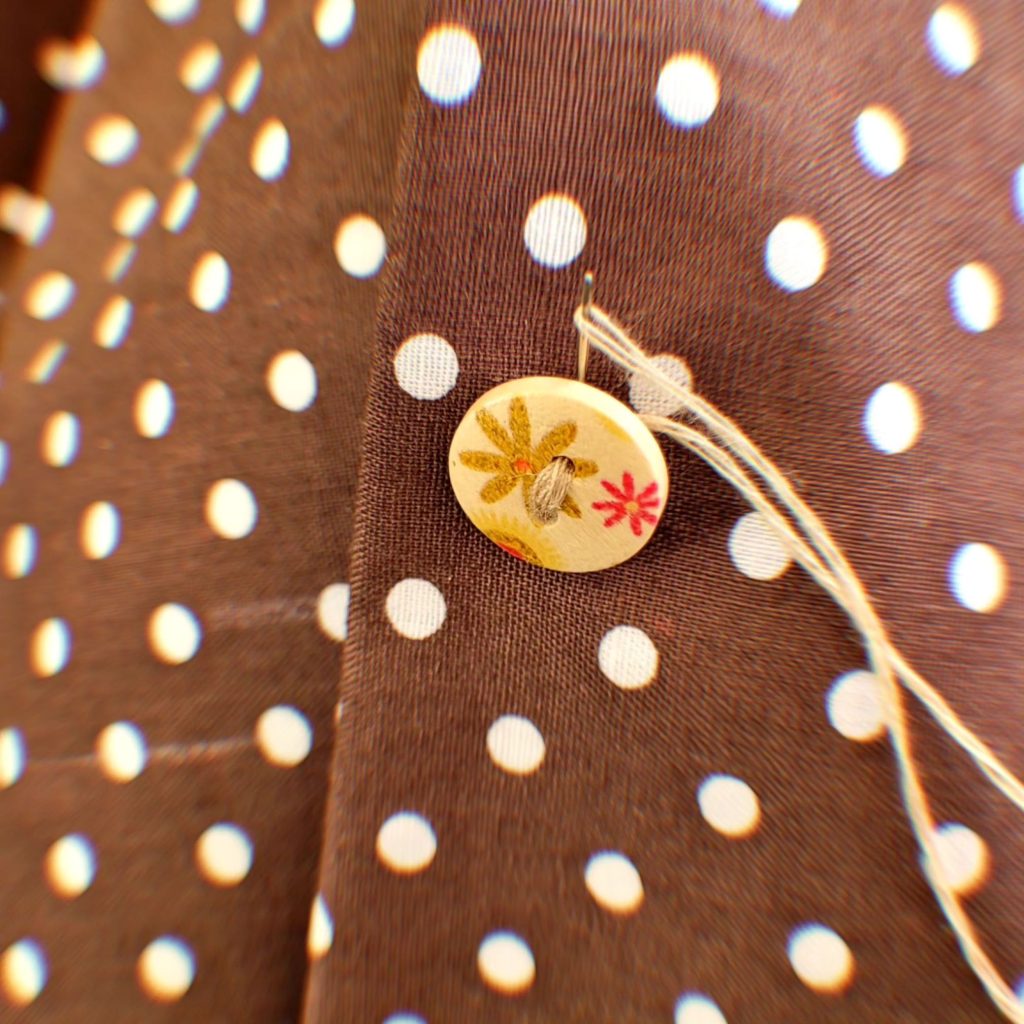
“If it’s an embroidered patch on a pair of well-loved jeans, or the arm of a jacket, that says you care about your clothes and you’re proud to wear them mended because you care about the planet as well. If we as consumers in the wealthy global north demand better and buy less, the retailers will make less, the price will go up and we start to tackle the addiction to cheap clothes. The other part of that equation is the shockingly low wages paid to the factory workers that make those clothes – it’s criminal.”
The problem is intractable. It’s also global, but there are pockets of good news for ‘slow’ fashion advocates such as Gill. Pressure is growing for countries such as Ghana and Chile to stop importing used clothing from the global north on an industrial scale. Rwanda banned such imports in 2018 and its textiles industry enjoyed rapid growth, recording an 83% increase in the value of exports in the first two years.
In France, the government has announced a scheme to persuade consumers to repair their clothes and shoes rather than throw them away, making grants of between £5 and £21 available to sewing workshops and shoemakers to subsidise the cost of repairs. Meanwhile, clothing manufacturers are now required to list how much water is used to make items, detail the use of chemicals, the risk of microplastic emissions and whether the garment has used any recycled textiles.
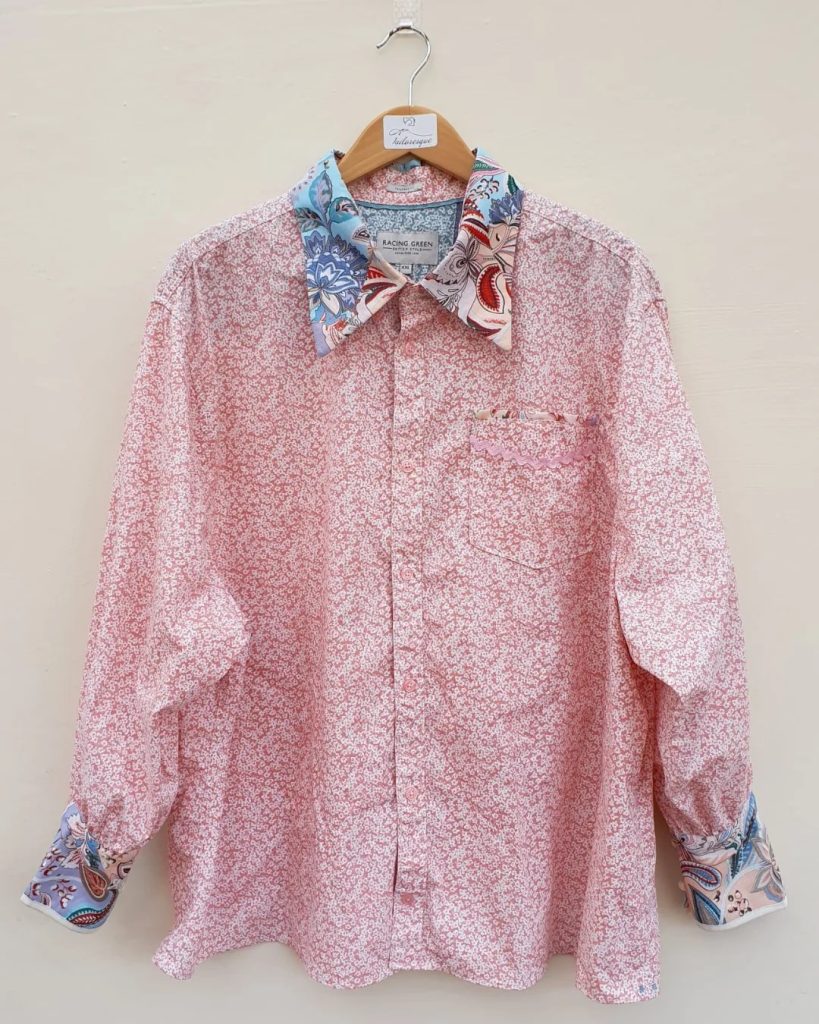
Gill hopes small changes made locally will snowball into something more lasting. She’s determined that Tailoresque will become a by-word for sustainability. As well as showcasing reworked wedding and mother-of-the-bride dresses that her clients have donated at local wedding fairs, she is promoting remodelled prom dresses and buying up quality men’s shirts to rework into gender-neutral garments that can be work by anyone.
“Clothes are meant to be worn,” she says, “and they meant to be worn out – in every sense. With a little attention clothes should last us for years and become part of us.
“The most sustainable garment you can wear is the one that’s already in your wardrobe.”
https://www.facebook.com/thehouseofmarais
Source: Award winning recycling and waste management company GENeco. https://www.geneco.uk.com/news/fast-fashion-and-its-impacts